The Hunger Switch: Why the 9pm Pantry Walk Was Never a Willpower Problem
In fifteen years of practice, I have heard the same confession more than any other. It arrives quietly, usually at the end of a visit. "I'm fine all day. Then 9pm comes, and I lose."
For most of my career, medicine had nothing honest to say back. We handed out advice about discipline. We suggested smaller plates. We were wrong about what we were treating.
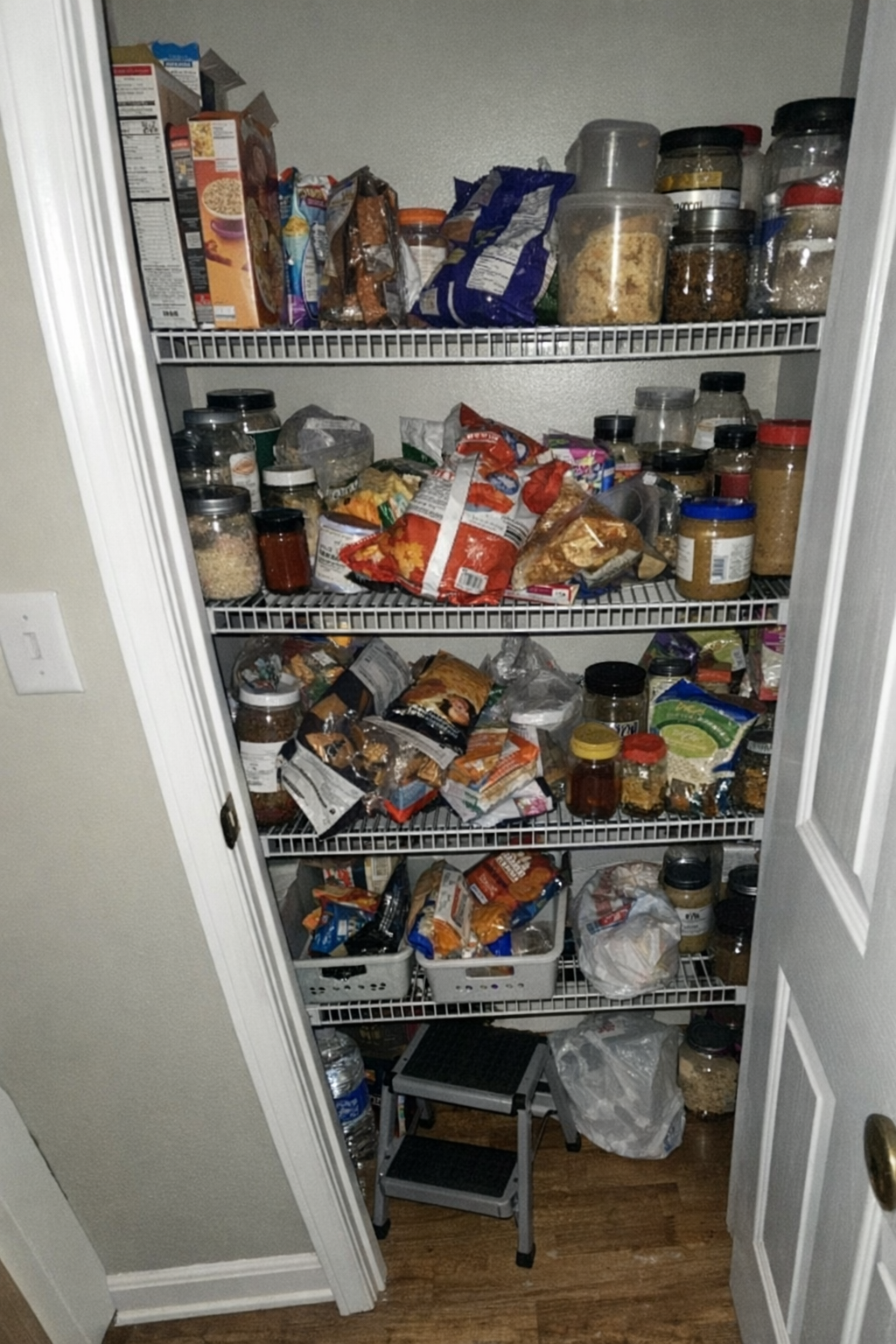
The 9pm pantry walk is not a character event. It is a biology event. And the biology finally has a name most people learned this year from a group chat: GLP-1.
The Signal That Quits Early
Here is the mechanism, in plain English. Every time a person eats, the gut releases a hormone called GLP-1. That hormone tells the brain one thing: enough. Digestion slows. The meal ends. Peace.
Now the problem. The natural signal fades in minutes. Not hours. Minutes.
So the brain spends most of its day without the "enough" message, negotiating with food it does not need. Some brains negotiate quietly. Others run the debate on a loop: the vending machine at 3pm, the kids' leftovers at 6, the pantry at 9. People call it food noise now. The name is new. The biology is ancient.
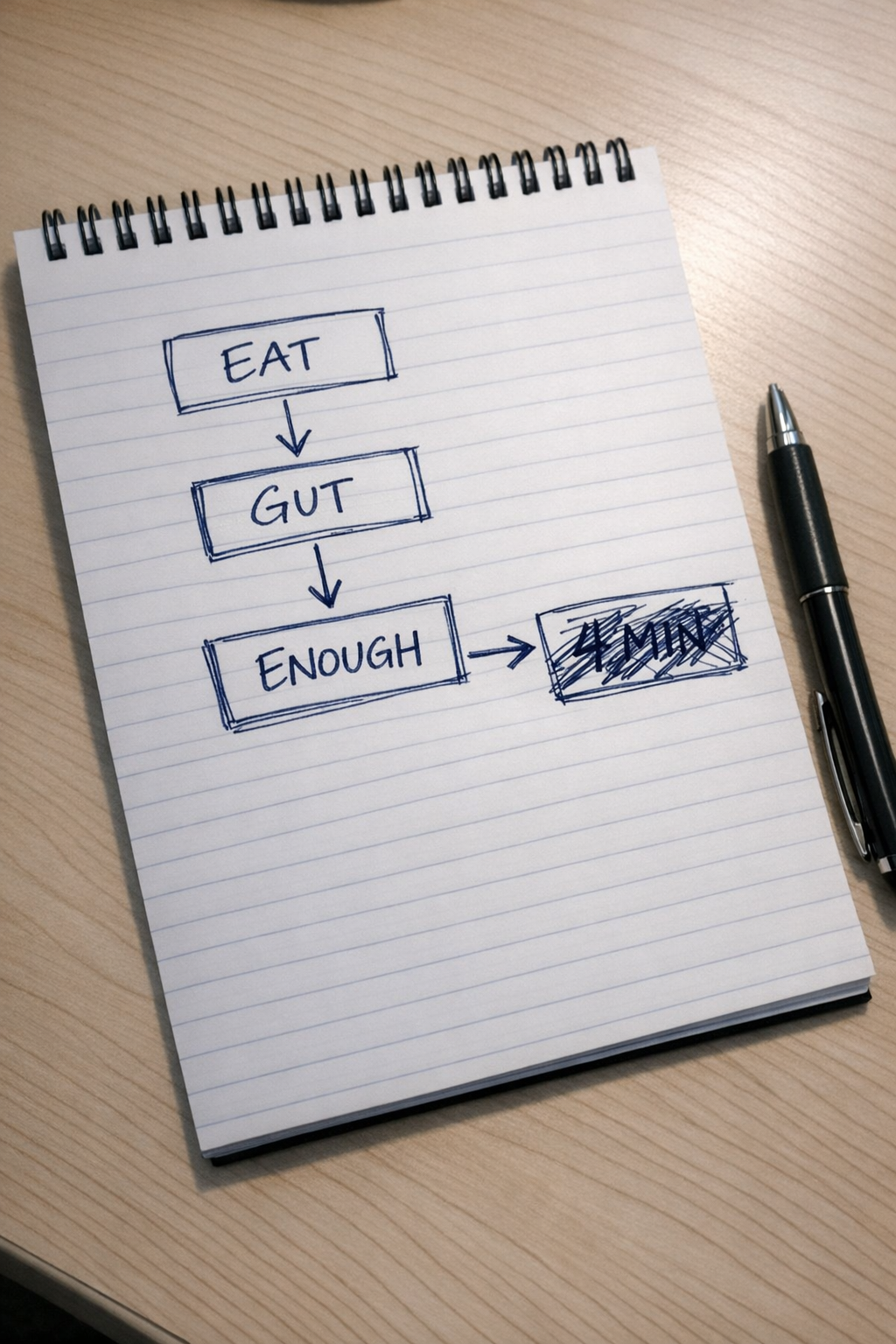
This is why diets fail so predictably. A diet is a plan to out-argue a hormone. The hormone does not get tired, does not have a bad week at work, and does not lose focus in the cereal aisle. The person does. Every restart Monday is the same matchup with the same ending.
What It Actually Costs to Keep Fighting
Before the science, it helps to be honest about the bill for the old way. Not the emotional bill. The literal one.
Count the programs. The apps with streaks. The shakes. The books. The meal plans that lasted eleven days. Most people who have fought their appetite for a decade have quietly spent four figures renting willpower. Rented willpower always gets returned.

And the years matter more than the money. A person who starts the same fight every January is not failing. They are using a tool that cannot win, and paying for it in decades.
The Lizard That Changed Everything
The science story is stranger than anything marketing could invent.
Researchers first described GLP-1 in the 1980s. They knew it was the "enough" signal. They also knew it was useless as a treatment, because the body destroys it in minutes.
The clue came from an unlikely animal: the Gila monster, a desert lizard that eats only a handful of times a year. Its venom contained a molecule remarkably similar to human GLP-1, with one difference. It lasted. That discovery proved the concept: an "enough" signal did not have to fade.
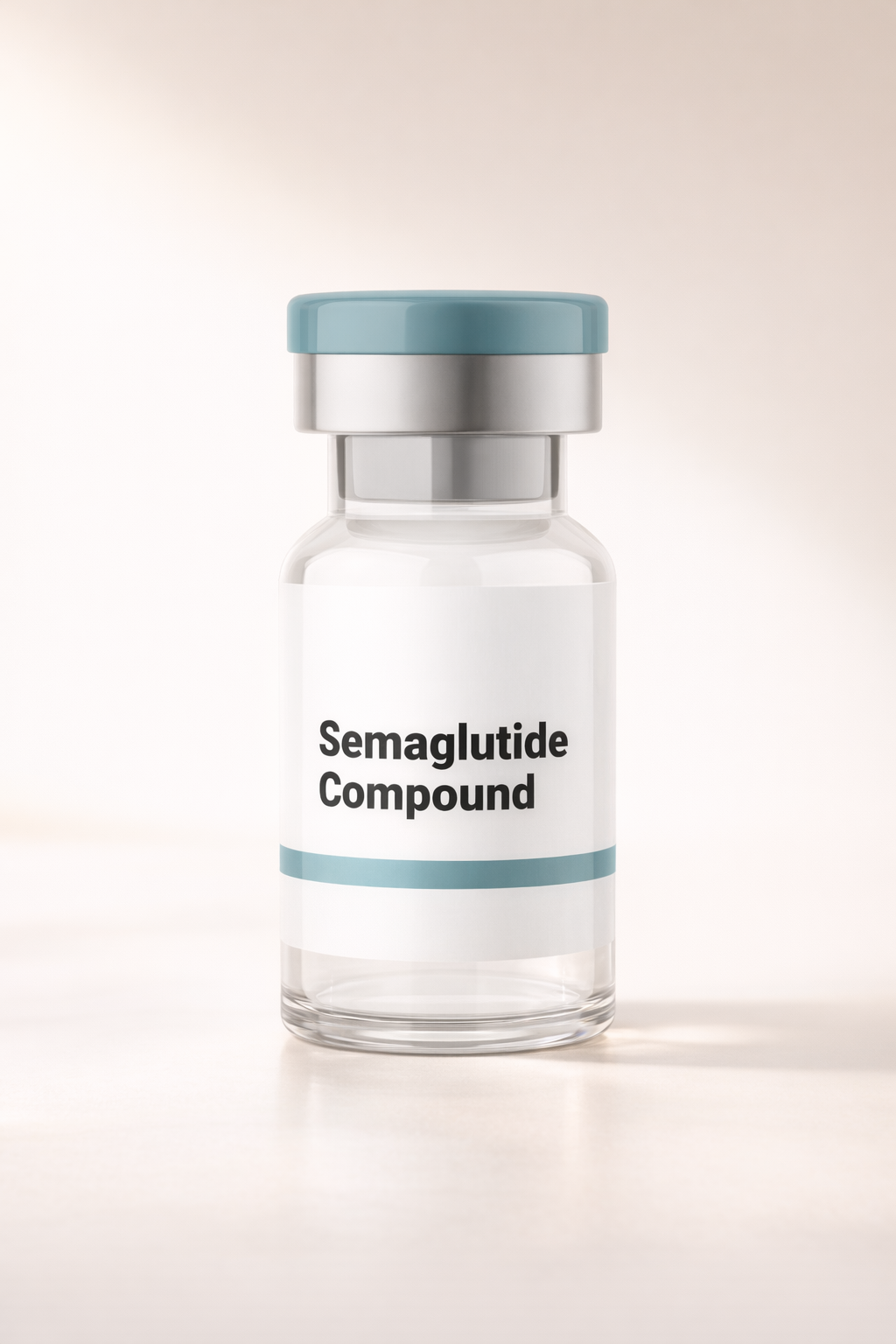
Chemists then went to work on the human hormone itself, modifying it so the body would not destroy it in minutes. The result is the medication class everyone suddenly knows: semaglutide and tirzepatide. One injection a week. The signal stays on.
Notice what this is not. It is not a stimulant. It is not appetite suppression by force. It is the body's own message, delivered on a schedule that finally matches human life. People describe the effect in almost identical words: the noise just stopped.
Then the Price Broke
For the first years, this science belonged to whoever could afford it. The brand-name version lists at $1,349 a month. Insurance denial letters became their own literary genre.
What changed the math is compounding: a regulated pharmacy practice in which licensed US pharmacies prepare the same active molecule to a specific prescription. No brand list price. No middlemen stacking layers. The molecule was never the expensive part.
A patient asked me recently why the honest price took so long to arrive. The honest answer: it existed for a while. It was just buried under a thousand programs with teaser rates, membership fees, and bills that climb the dose ladder. The program I point readers to does none of that, which is exactly why I point to it.
The Program, Itemized
Of the flat-rate programs, RxPros is the one whose pricing survives scrutiny: the rate on day one is the rate on day 365, through every provider-supervised dose adjustment.
The whole program, one flat rate
- Free online visit, about 10 minutes
- Licensed provider review, as fast as 4 hours
- Compounded semaglutide or tirzepatide, if you qualify
- Prepared and shipped by licensed US pharmacies
- Ongoing check-ins and dose reviews, included
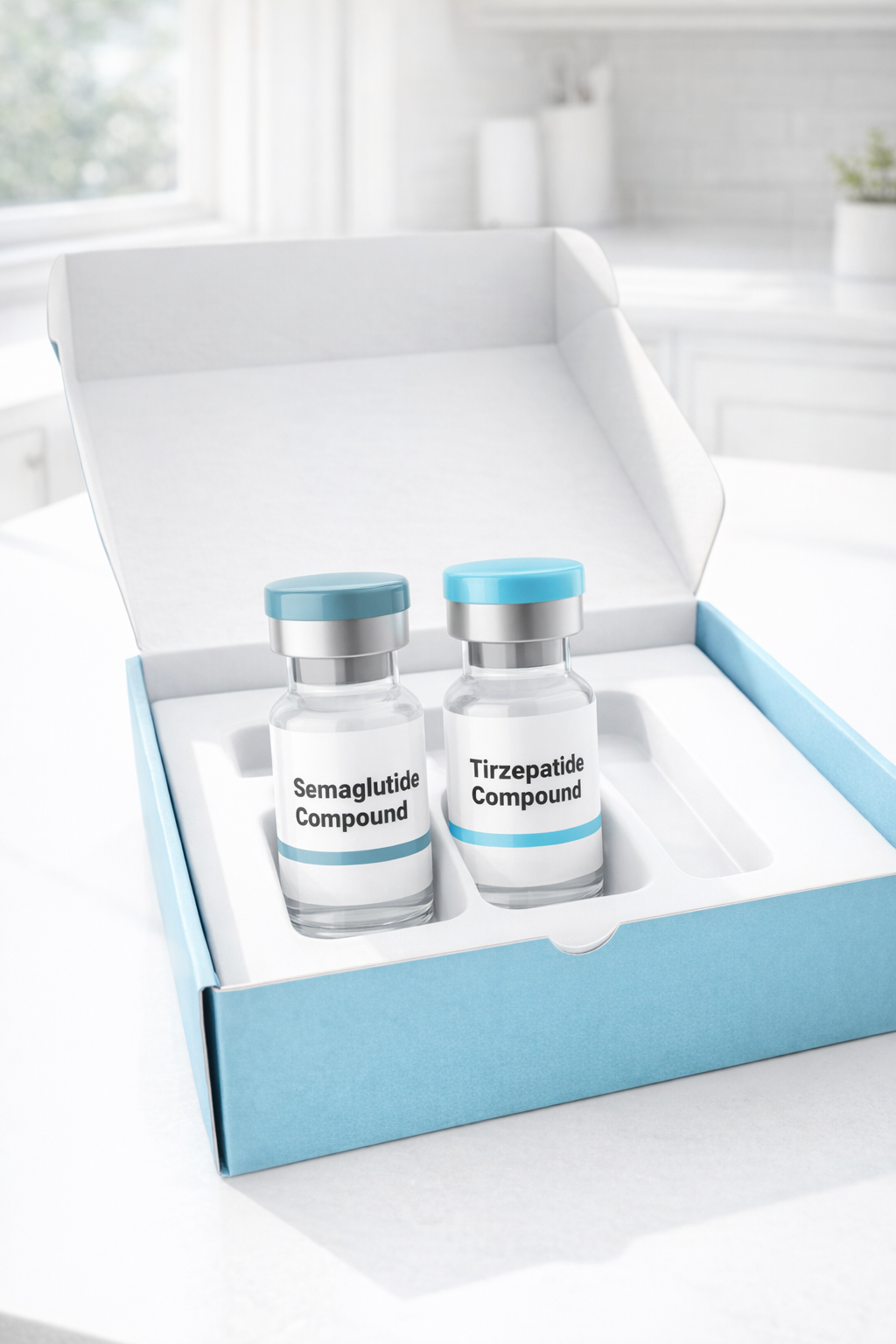
One more thing worth saying plainly. This program screens people out. Providers review health history and some applicants do not qualify. A program that approves everyone is a store, not medicine. The gate is the point.
Check Eligibility Tonight →
Reader questions, answered